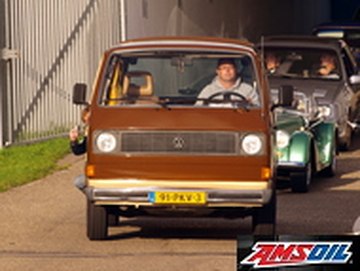
Lubrication Maintenance for the 1982 Volkswagen VANAGON 2.0L
Maintaining the engine lubrication system in a 1982 Volkswagen VANAGON with the 2.0L [A] CV engine requires consistent attention to fluid condition and component integrity. Because this vehicle relies on effective oil circulation to manage internal friction and heat, regular inspections are a fundamental part of long-term ownership.
Monitoring Fluid Condition and Potential Leaks
One of the most effective ways to monitor the health of the engine is through frequent visual inspections. Owners should look for any signs of fluid seepage or active leaks around the engine area. While some level of seepage can occur as gaskets and seals age, significant wetness or dripping warrants investigation.
When performing a routine check, consider the following:
- Surface Seepage: Inspect various sealing surfaces for evidence of oil residue that may indicate aging gaskets.
- Fluid Appearance: Check the color and consistency of the engine oil. While oil naturally darkens over time due to use, extremely gritty or unusual textures can be a sign of contamination.
- Ground Spills: Periodically check the area beneath where the vehicle is parked for any fresh fluid spots that might indicate a leak occurring while the engine is off.
If you notice a sudden increase in lubricant consumption or see evidence of new leaks, it is important to address these signs promptly. Identifying a small seepage early can often prevent more significant issues later.
Managing Maintenance Records and Baselines
For owners of a 1982 VANAGON, establishing a clear maintenance baseline is highly beneficial, especially if the vehicle's service history is not fully documented. If you have recently acquired the vehicle, your first priority should be to verify the current state of all fluids and filters.
Keeping a detailed log of every oil change, filter replacement, and inspection provides several advantages:
- Tracking Trends: A record allows you to see if oil consumption is increasing over time or if leaks are becoming more frequent.
- Informed Decision Making: Knowing exactly when the last service was performed helps you prioritize upcoming maintenance tasks without relying on guesswork.
- Service Continuity: Detailed records ensure that any mechanic working on the vehicle understands the recent history of the engine's lubrication system.
If previous repair history is unavailable, treat the current condition of the engine as your starting point. Focus on addressing any active warning signs or visible leaks first before moving into more advanced preventive maintenance.
Observing Potential Warning Signs
While many lubrication issues are identified through visual inspection, some may present through other symptoms. It is important to remember that various symptoms can have multiple causes, and a single sign does not always point to one specific component failure. However, certain observations should prompt a closer look.
An unusual odor that may indicate oil contacting a hot surface is a signal to inspect the engine bay for leaks. Similarly, any changes in how the engine sounds during operation or unexpected changes in exhaust appearance should be investigated. If you notice these changes shortly after performing maintenance, it could indicate an issue with the installation of a new filter or a seal that was not seated correctly.
If a warning light or indicator appears on the dashboard related to oil levels or pressure, this requires immediate attention. Such indicators are critical signals that the lubrication system may not be operating within its intended parameters.
Age-Related Inspection Priorities
As vehicles from the early 1980s continue to operate, certain components naturally undergo changes due to age and thermal cycling. Rather than replacing parts based solely on the calendar, a more effective approach is to inspect components based on their actual condition.
When inspecting an older 2.0L engine, pay close attention to any rubber or composite materials that may be present. If equipped, check accessible belts for signs of cracking, glazing, or fraying. Similarly, if the vehicle has various hoses, inspect them for brittleness or soft spots. Electrical connections and wiring should also be checked for signs of corrosion or insulation degradation, as these can impact overall engine performance.
By focusing on condition-based maintenance, you can distinguish between parts that are still performing their function effectively and those that are nearing the end of their service life. This approach helps prioritize repairs where they are most needed.
Effective Long-Term Engine Care
Prioritizing maintenance tasks is essential for ensuring the longevity of a 1982 Volkswagen VANAGON. Instead of attempting to perform every possible service at once, focus on a tiered approach based on what the engine currently requires.
The first tier should always be addressing active concerns: leaks, unusual noises, or fluid consumption. Once the engine is stabilized and any immediate issues are resolved, you can move toward preventive measures. This includes maintaining consistent service intervals and monitoring the condition of aging components like seals and hoses. Regular observation of the engine's behavior allows you to catch minor changes before they escalate into more complex mechanical requirements.
Practical Advice for Buying Engine Oil for a 1982 Volkswagen VANAGON 2.0L
When it is time to replenish your engine lubricant, the most important step is to ensure the product matches the specific requirements of your engine. To select the correct oil, match the engine oil to the application-specific viscosity information already displayed on this page.
Before completing your purchase, consider these practical steps:
- Verify Labeling: Always check the product packaging to ensure the SAE viscosity and API certification align with the data provided in the application information above.
- Evaluate Formulations: Depending on your needs, you may choose between conventional, synthetic blend, or full synthetic oils. Some high-mileage oil formulations also contain additives intended for use in aging engines, including seal-conditioning additives.
- Check Quality Standards: Ensure the oil meets current industry standards for quality and performance to provide the best possible protection against oxidation and deposits.
By following the specific application details provided on this webpage, you can ensure that your 1982 Volkswagen VANAGON 2.0L receives the appropriate lubrication for its continued operation.